Dr Bradley Elliott
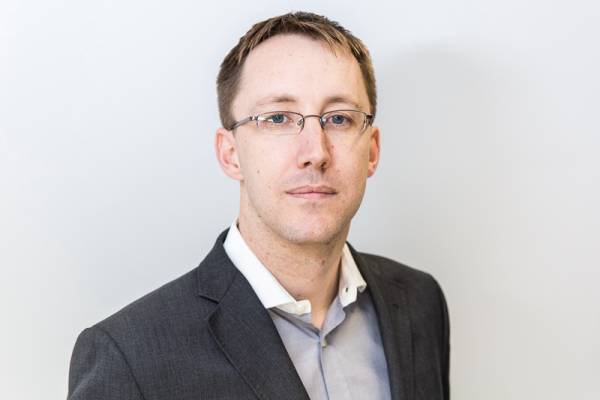
I am Reader in Ageing Physiology at the University of Westminster and an active research scientist investigating the physiology of human ageing. My research focuses on why physical function declines with age, why some people age more successfully than others, and how we might preserve health and independence across the lifespan. I have a particular interest in skeletal muscle, frailty, biomarkers of ageing, and the physiological effects of exercise.
My research is translational, bringing together human experimental physiology, applied models and large-scale datasets to understand the mechanisms underlying age-related decline and identify approaches that could improve healthy ageing. My work spans laboratory benchtop and human research, with a particular emphasis on questions that can ultimately translate into meaningful improvements in health and quality of life.
I am also Chair of the British Society for Research on Ageing (BSRA), the UK scientific society dedicated to advancing research into the biology of ageing. Through this role, I work across academia, research funding, policy, industry and public engagement, with a particular interest in supporting the next generation of ageing researchers and strengthening connections between ageing science and the wider health and longevity landscape.
I teach human physiology, scientific communication and research methodologies across undergraduate and postgraduate programmes, and have supervised multiple doctoral researchers to completion as well as externally examining PhD candidates in the UK and internationally. My research group currently includes post-doctoral and doctoral researchers working across ageing physiology, muscle function and related areas of human health.
I completed a BSc (Hons) in Sport and Exercise Sciences at the University of Auckland, New Zealand, followed by an MSc in Experimental Medicine at Université Laval, Canada. I returned to the University of Westminster for my PhD, investigating myostatin regulation and mechanisms of muscle loss during hypoxia and high altitude, with applications to mountaineering and conditions such as COPD.
Alongside my academic work, I have extensive experience in scientific communication and public engagement. I have written for print and online media, provided expert commentary on current scientific and health stories, and contributed to documentaries and programmes for the BBC, ITV, Channel 4 and Channel 5.
My research investigates the biology and physiology of human ageing, with a particular focus on why some people maintain their health and physical function into older age while others experience accelerated decline. Using a translational approach that integrates in vitro, in silico and in vivo models with human research, I investigate the mechanisms underlying age-related change and how these can be translated into meaningful improvements in health.
A key focus of my work is studying both typical ageing and populations at the extremes of the ageing spectrum. By examining unusually successful and unsuccessful ageing, I aim to challenge and refine existing theories of ageing, identify novel biomarkers, and uncover biological processes that help explain differences in how we age. Within this broader programme, I have a particular interest in skeletal muscle, investigating the mechanisms underlying age-related muscle loss and functional decline, with the ultimate goal of identifying ways to preserve muscle health and independence across the lifespan.
My research is supported through a combination of competitive research grants, industry partnerships and philanthropic funding. If you are interested in collaborating with my group or supporting our research, please get in touch.
My publications are available through the University of Westminster's open access research repository.