Dr Alessandro Toti
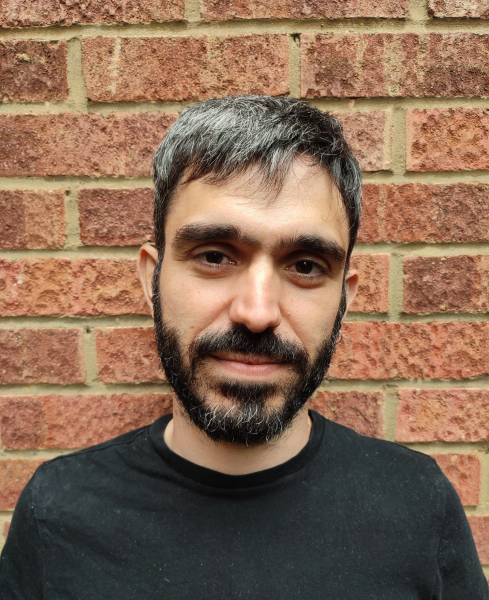
Alessandro Toti is a historian of architecture trained in Rome and London. He holds a PhD degree in the History and Theory of Architecture and Urbanism from the Bartlett, University College London (UCL), with a research focus on West Berlin Marxist architecture groups at the turn of the 1970s. He has taught history of architecture, architectural design and urban design at various universities including the University of Westminster, London; University College London; University of Greenwich, London; Syracuse University (London program) and the Rome Programs of Cornell University and Virginia Tech. His current work seeks to develop a Marxist approach to the history of architecture, focusing on 19th- and 20th-century housing and planning in Britain, Italy, and West Germany.
My research examines the relationship between architecture and capitalism.
During my PhD, I explored the work of Marxist architecture groups in West Berlin from 1963 to 1977, investigating their critique of the welfare-state housing model, as well as the social-democratic and anarchic alternatives proposed by grassroots movements. Currently, I am working on three papers that delve deeper into this critique, which targeted, in particular, flagship social housing estates, urban grassroots campaigns, moderate architects unions, and the role of architects’ agency within these processes.
My research is grounded in the method of historical materialism, which views architecture as both a material and ideological expression of underlying social-economic structures. Further exploration of this relationship forms the basis of my ongoing architectural and theoretical inquiries.
Previously, my research centred on the effects of housing regeneration on legal and illegal housing in the outskirts of Rome; the political contributions of Superstudio to the 'radical' architecture movement of the 1970s; the progressive pedagogies of Oswald Mathias Ungers’, focusing on the contributions of his teaching assistants during his time in West Berlin.