Moving Pictures at the Zoroastrian Centre - Residency and Expanded Film Events
Marsh, J. 2024. Moving Pictures at the Zoroastrian Centre - Residency and Expanded Film Events. Zoroastrian Centre 26 Nov 2024
Marsh, J. 2024. Moving Pictures at the Zoroastrian Centre - Residency and Expanded Film Events. Zoroastrian Centre 26 Nov 2024
| Creators | Marsh, J. |
|---|---|
| Collaborators | Zoroastrian Centre for Europe |
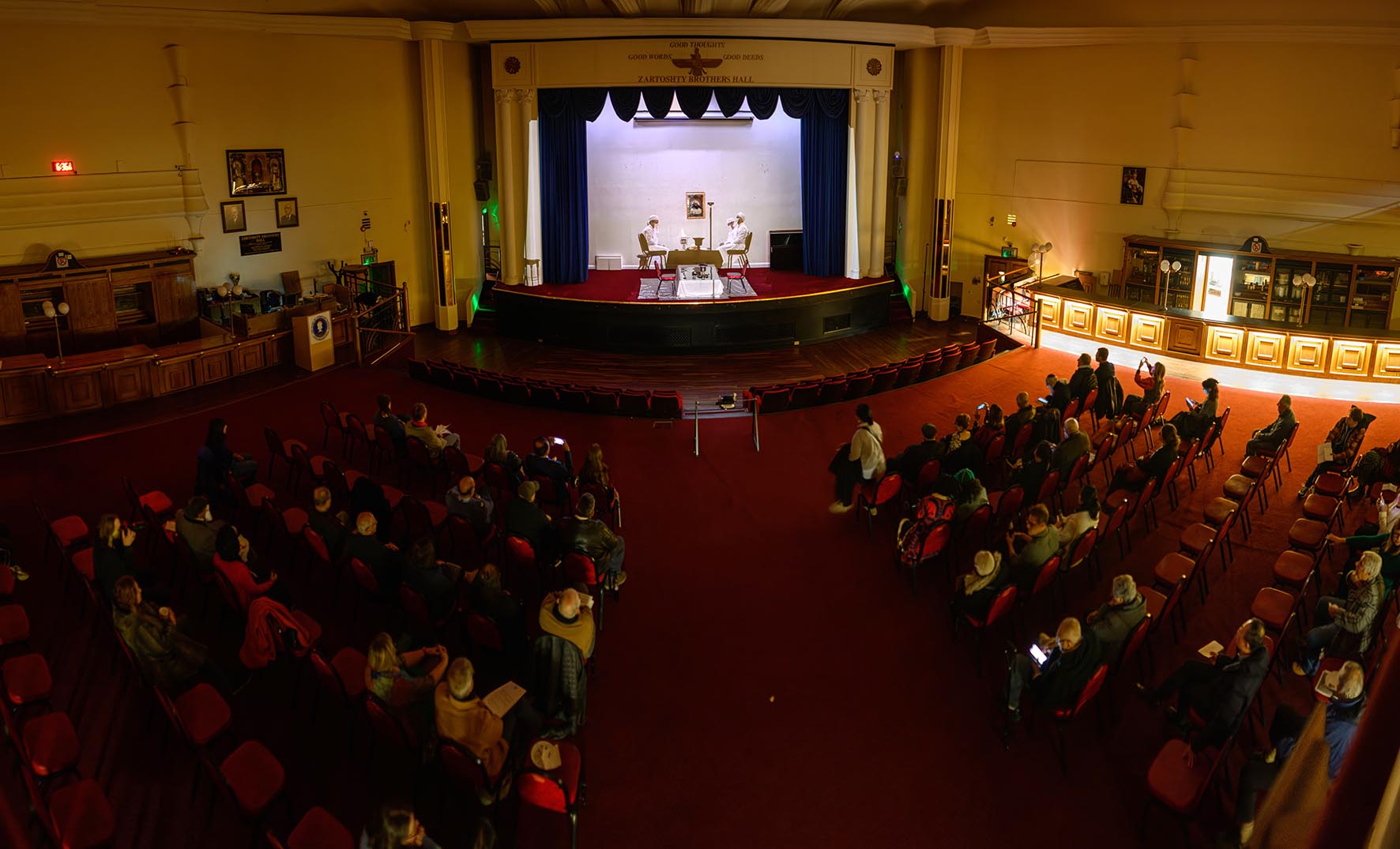
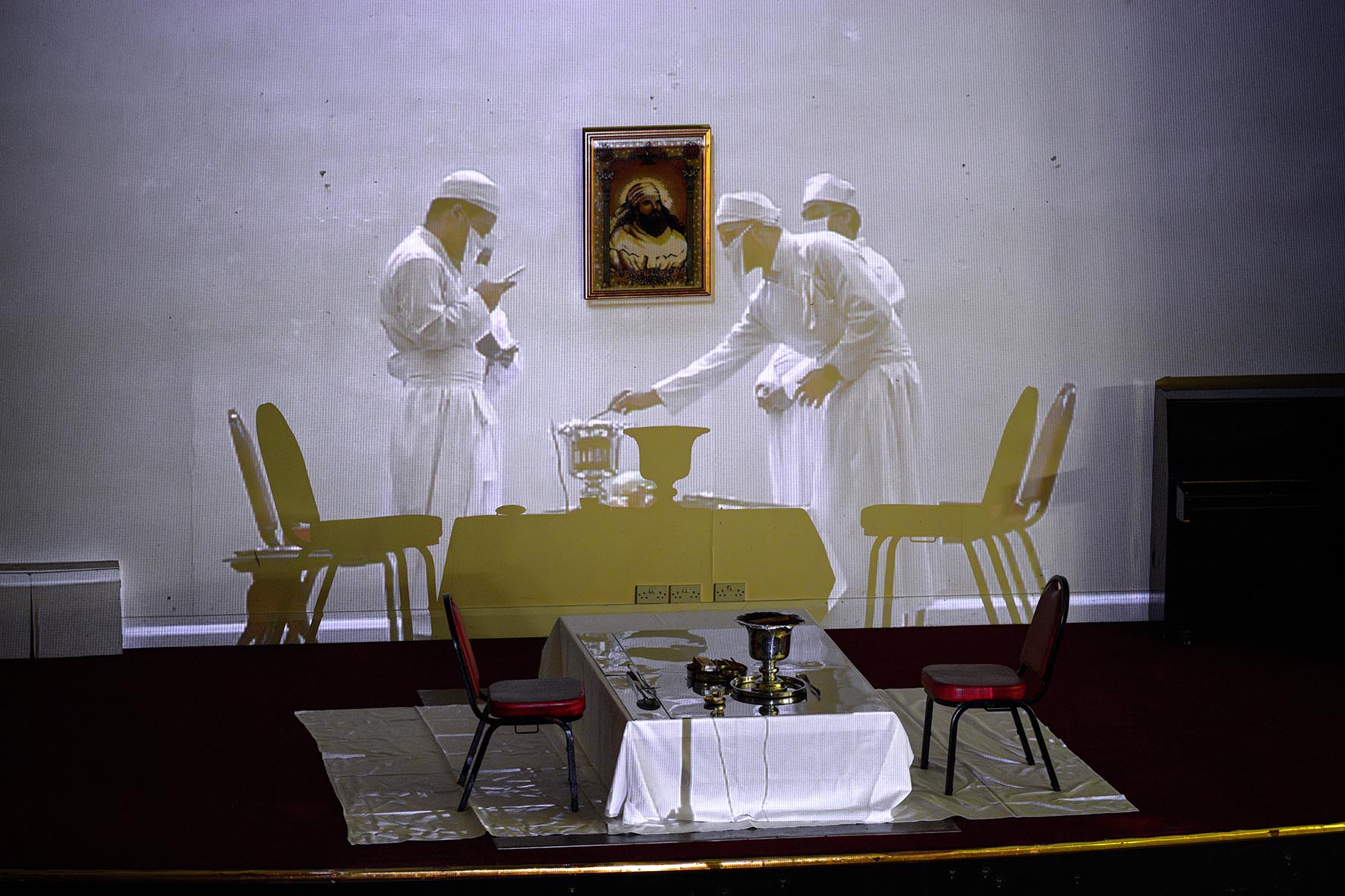
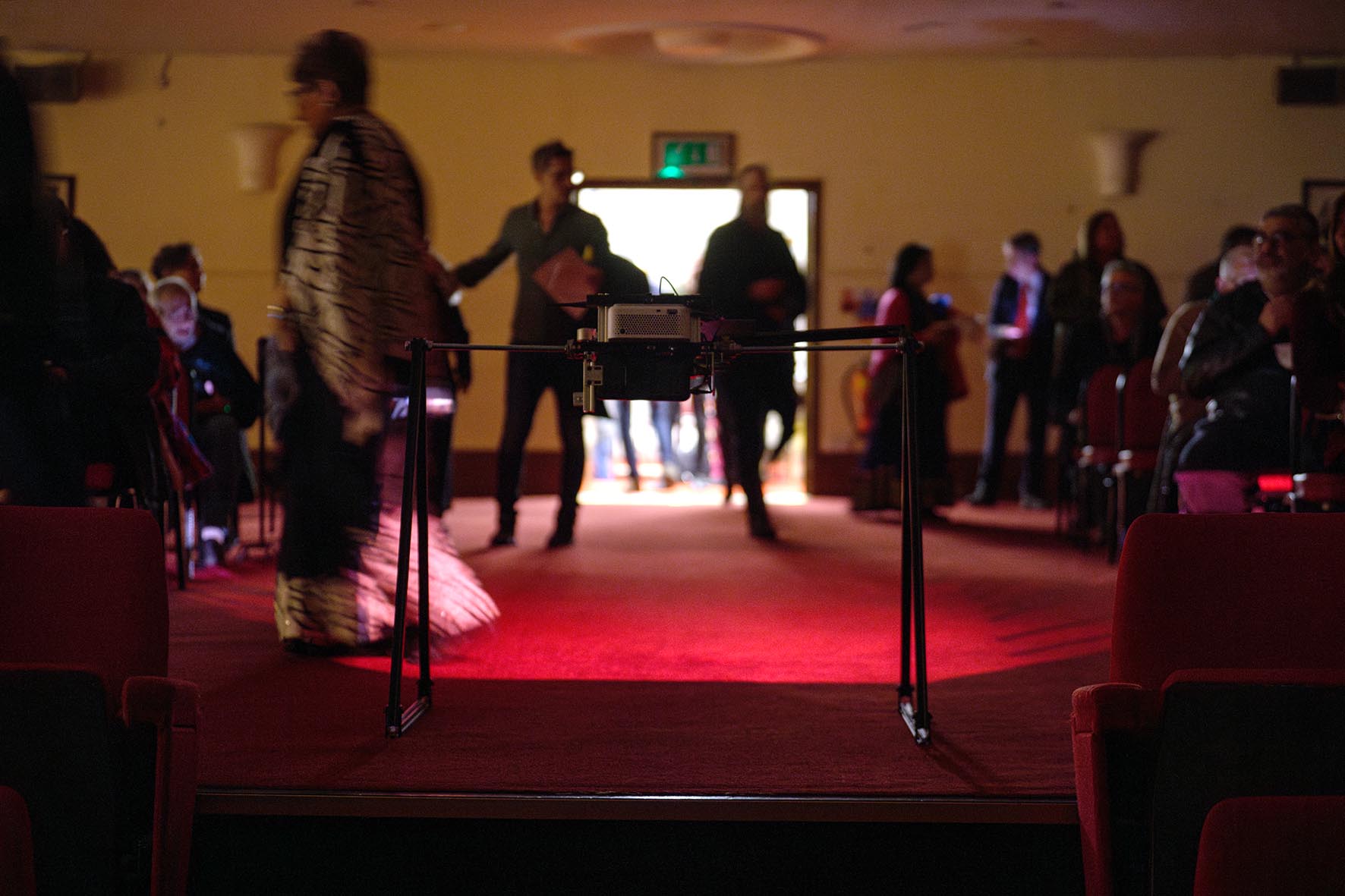
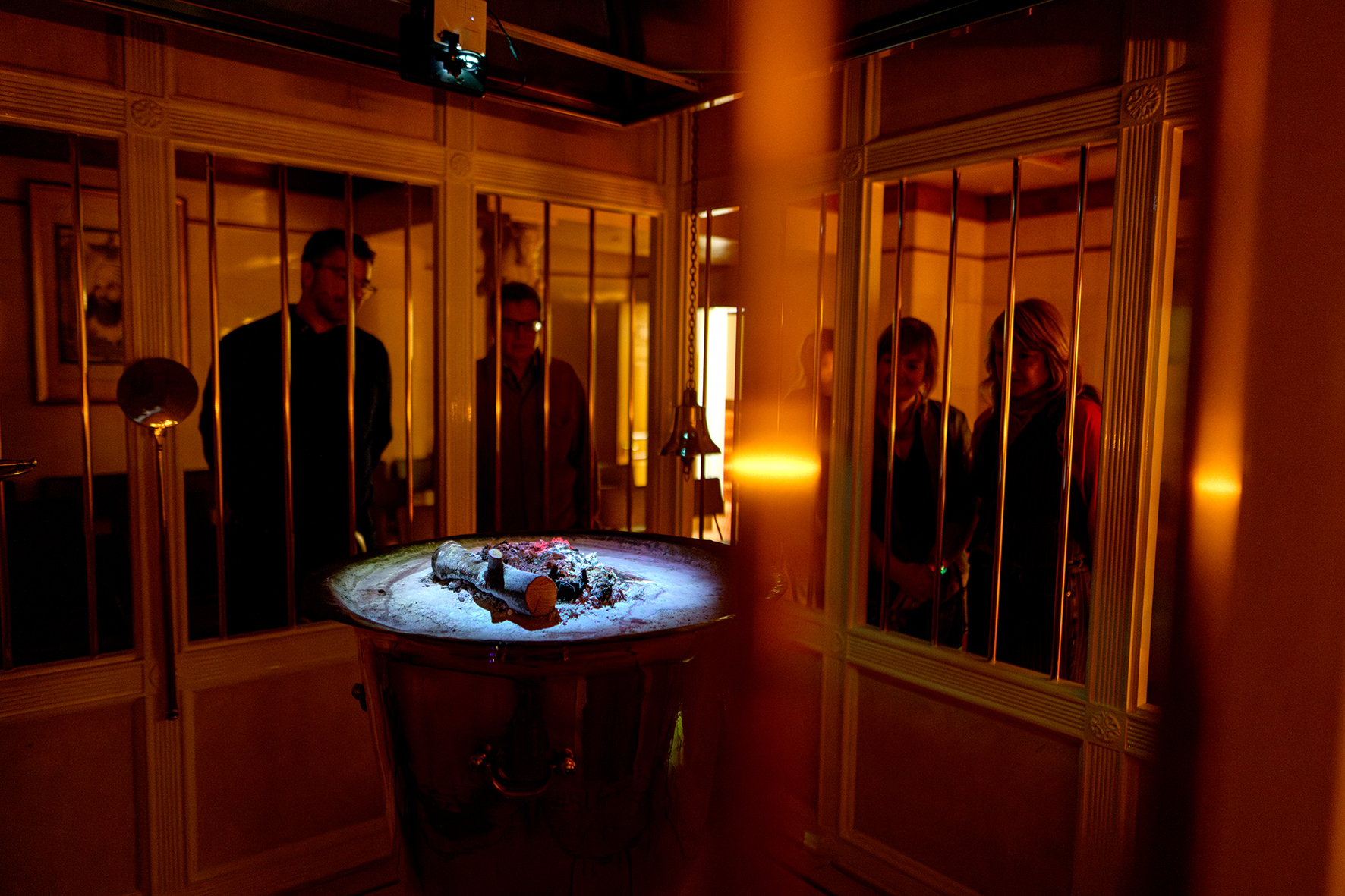
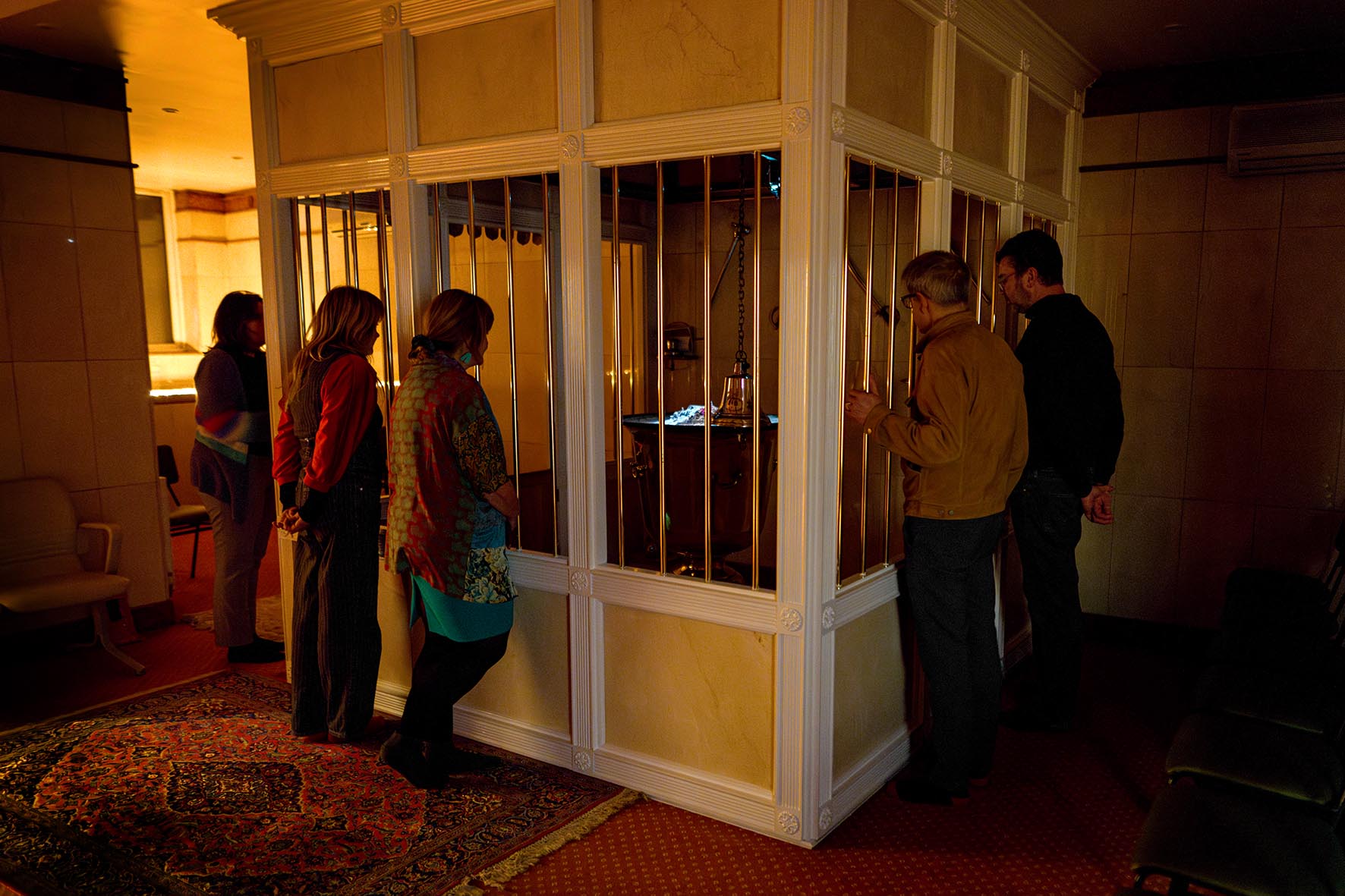
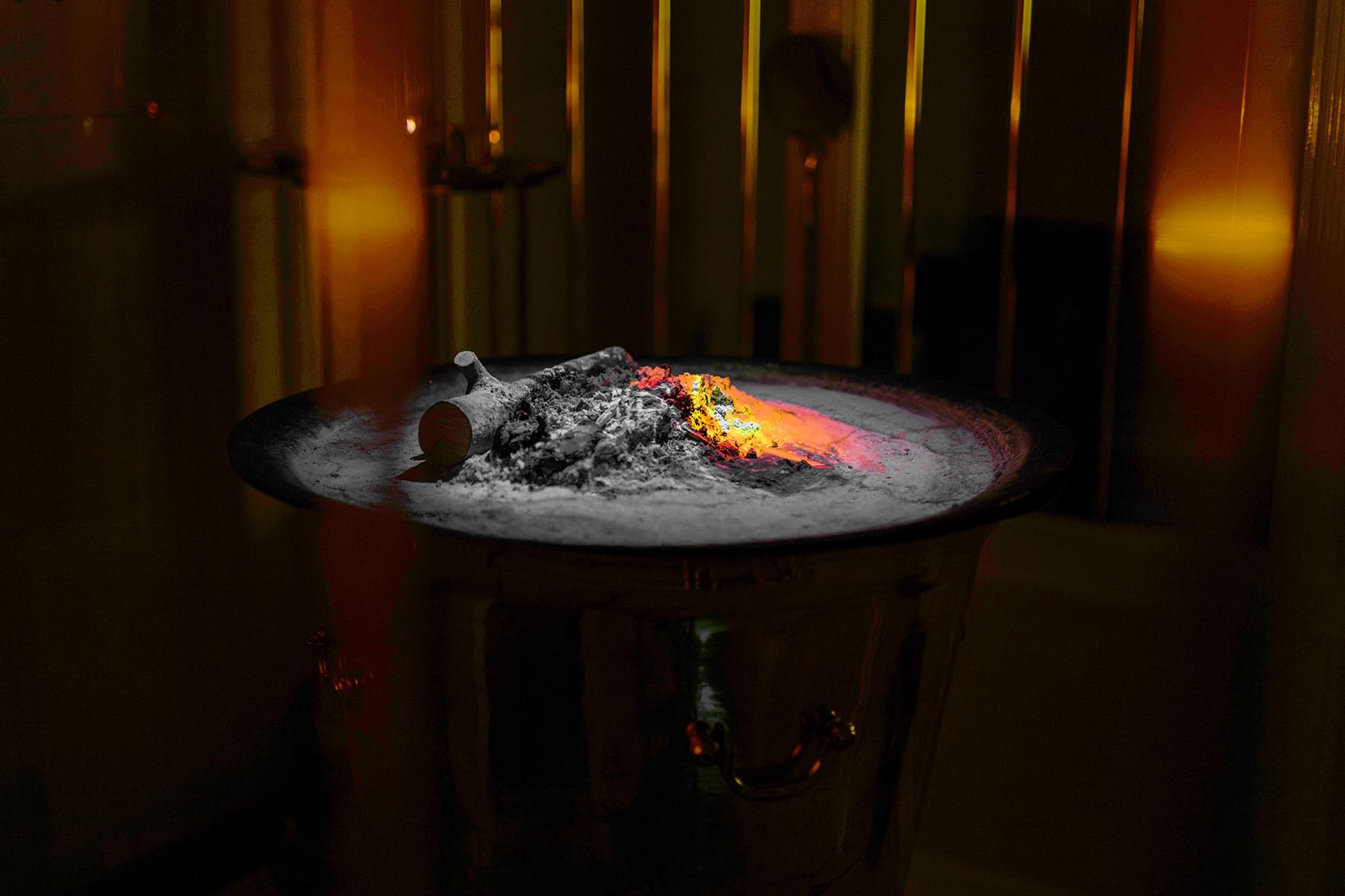
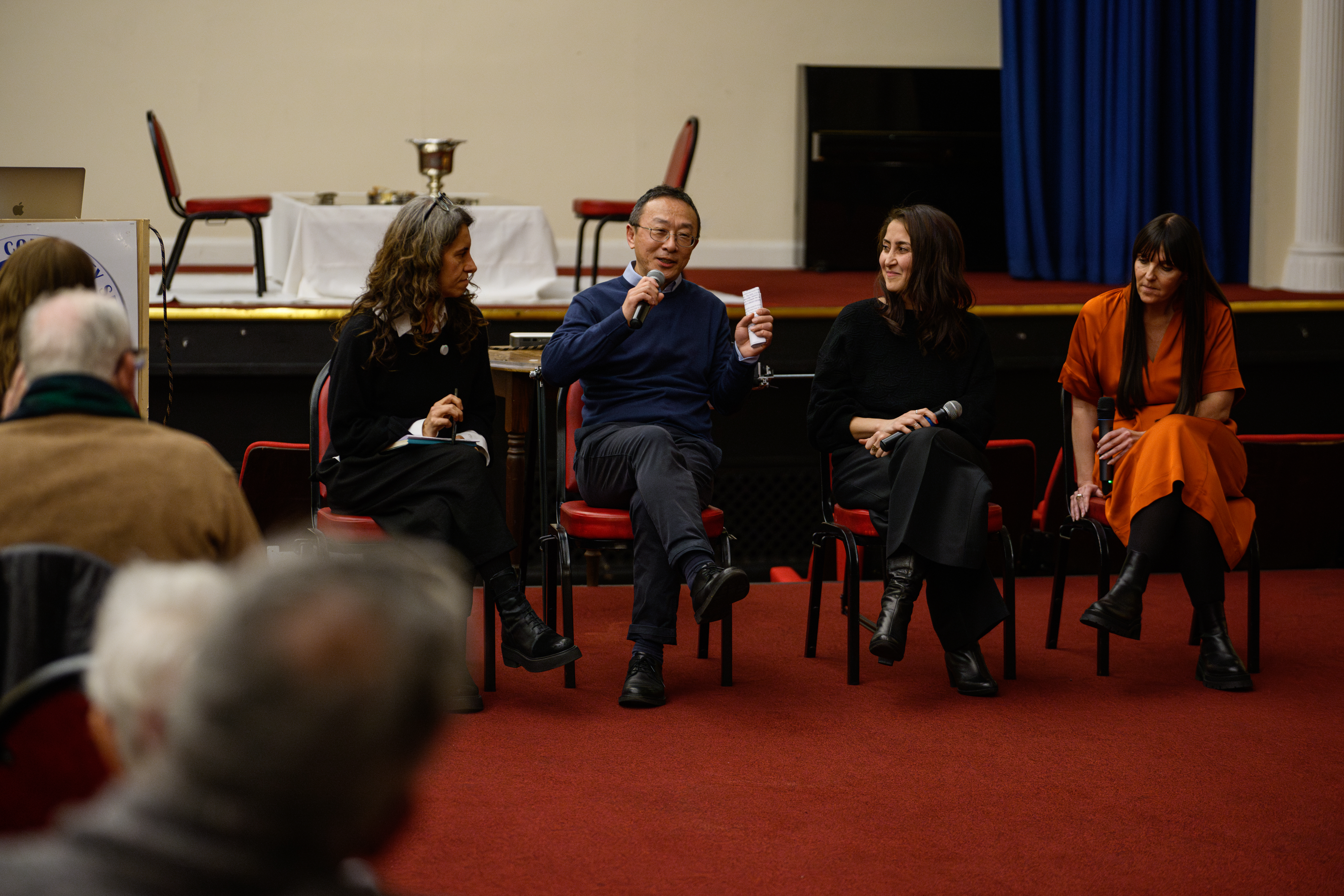
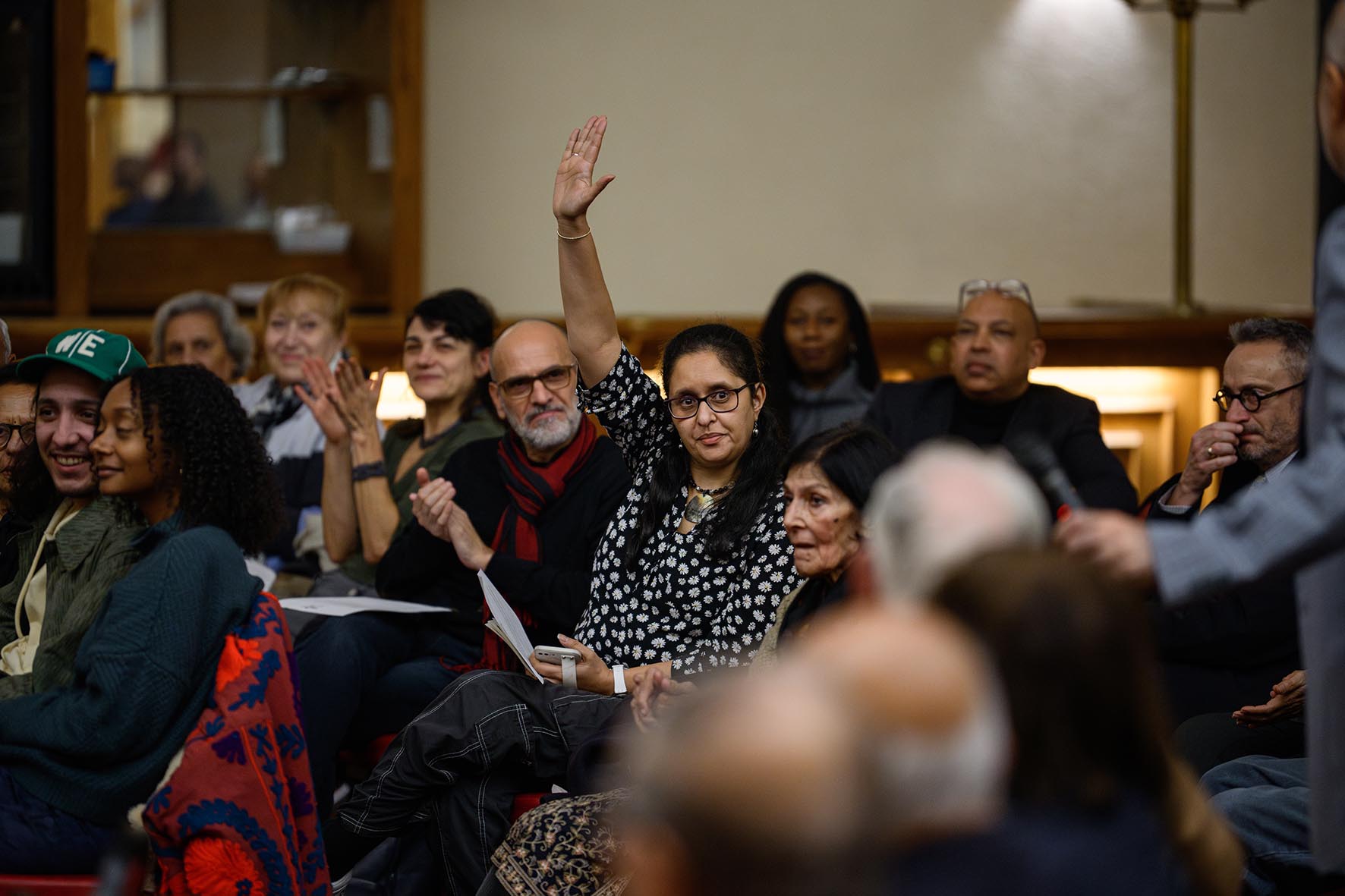
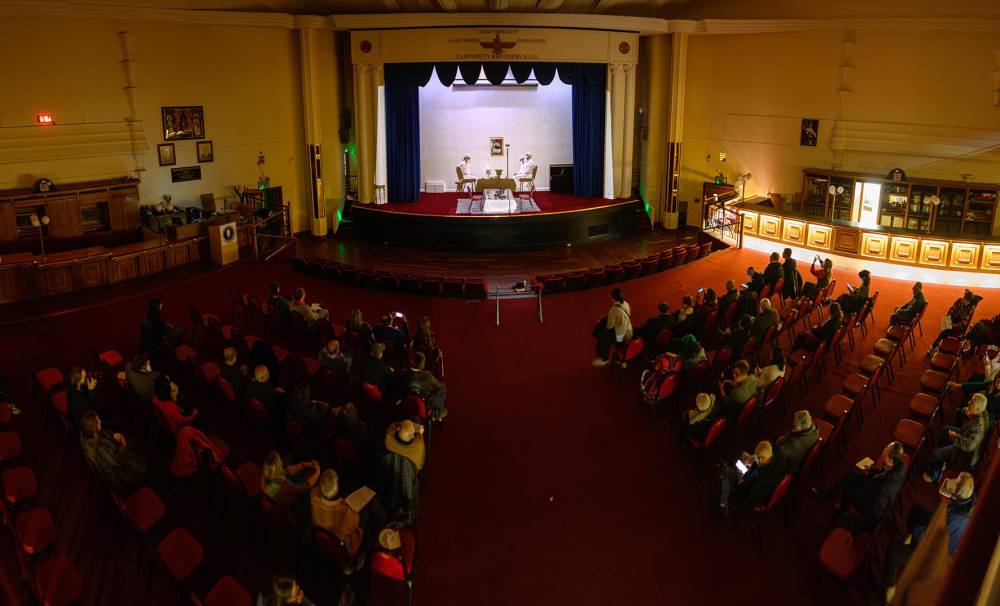
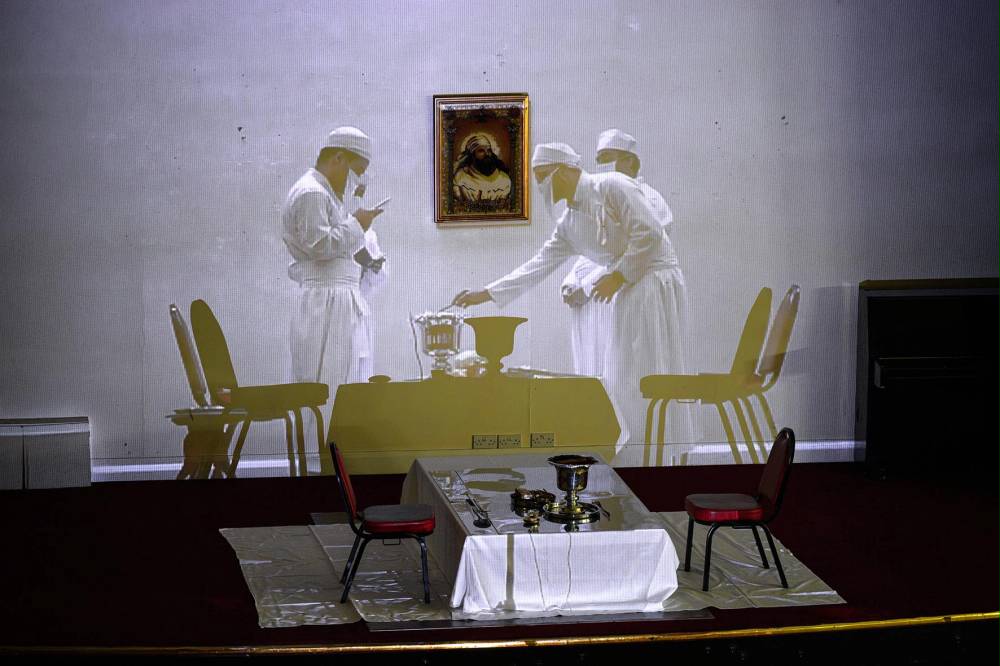
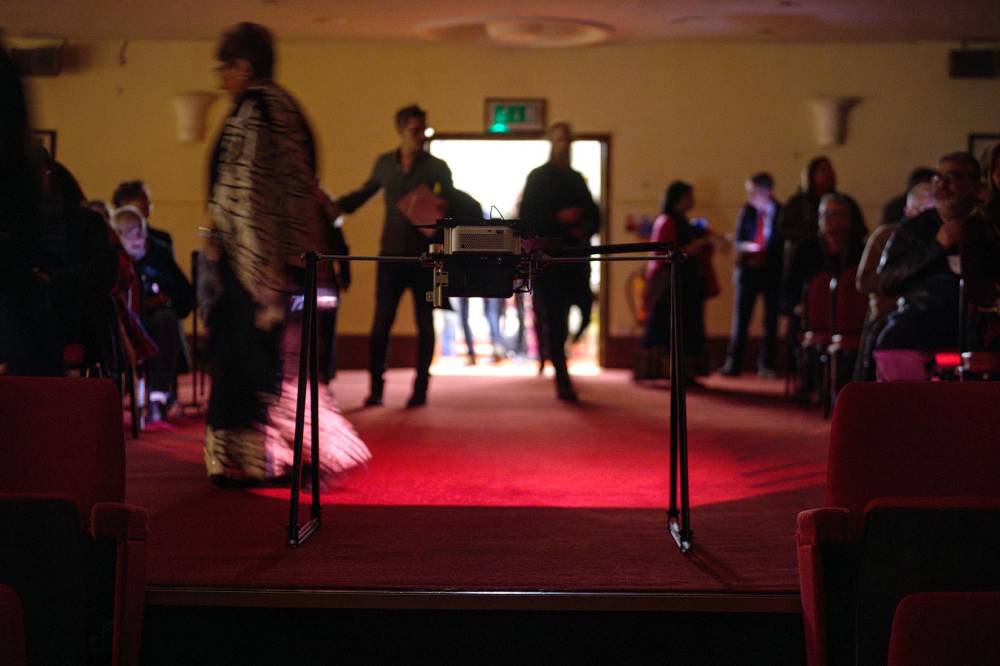
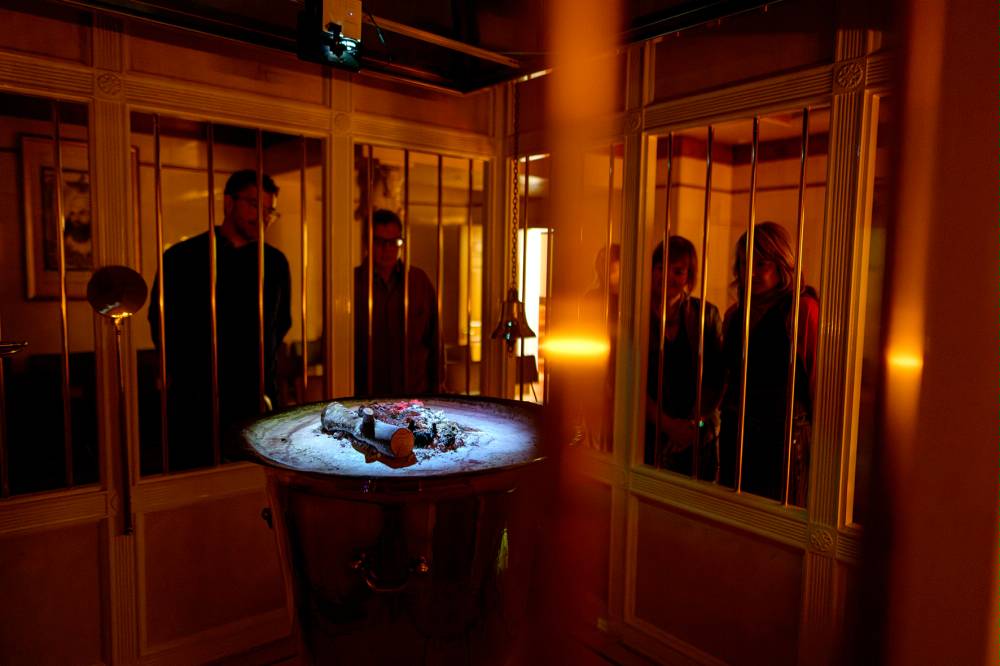
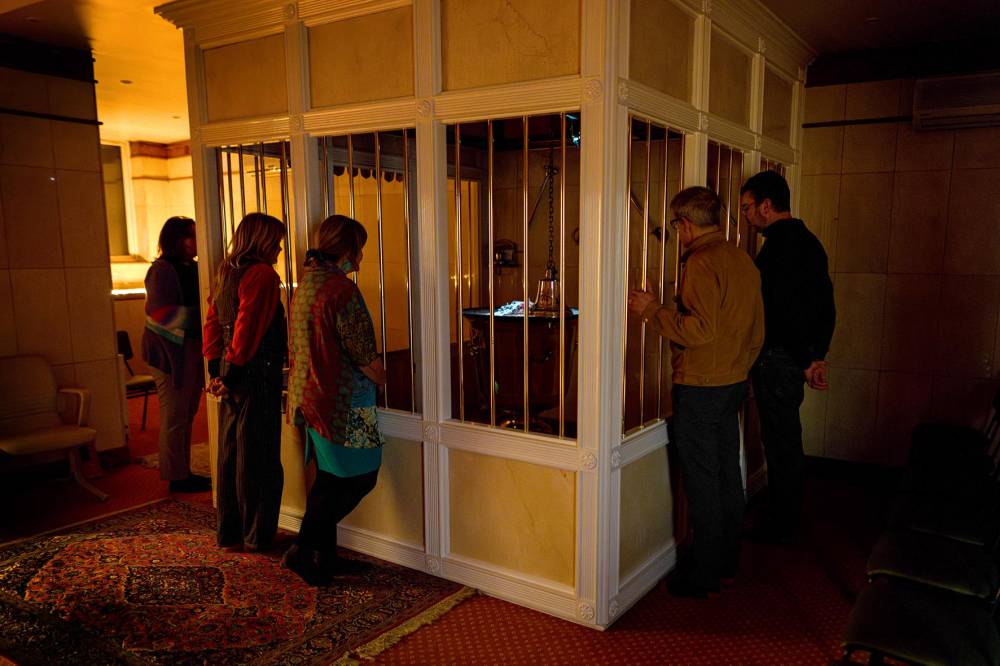
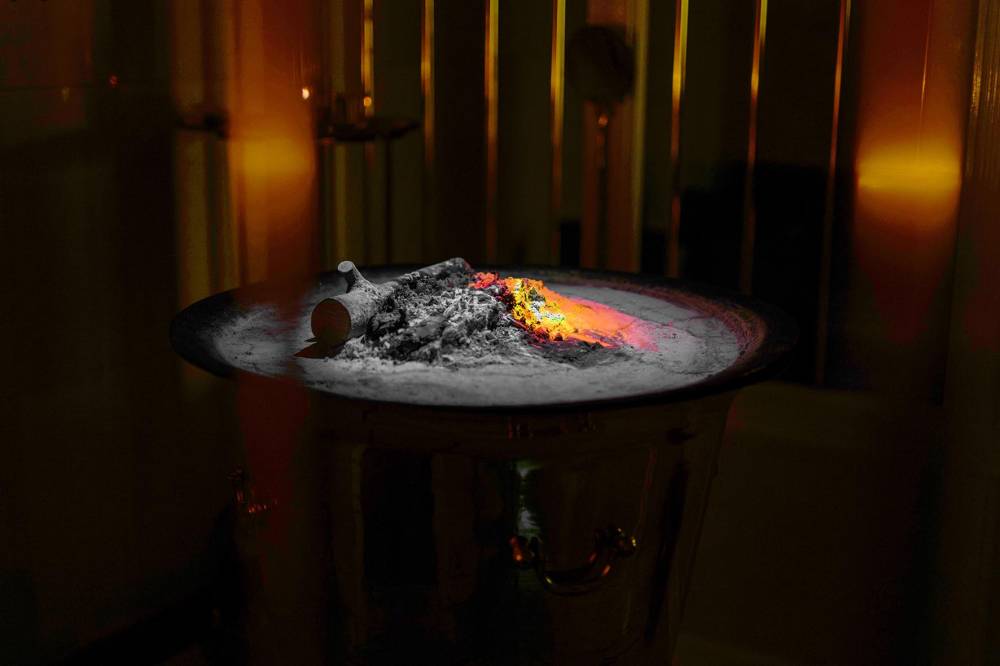
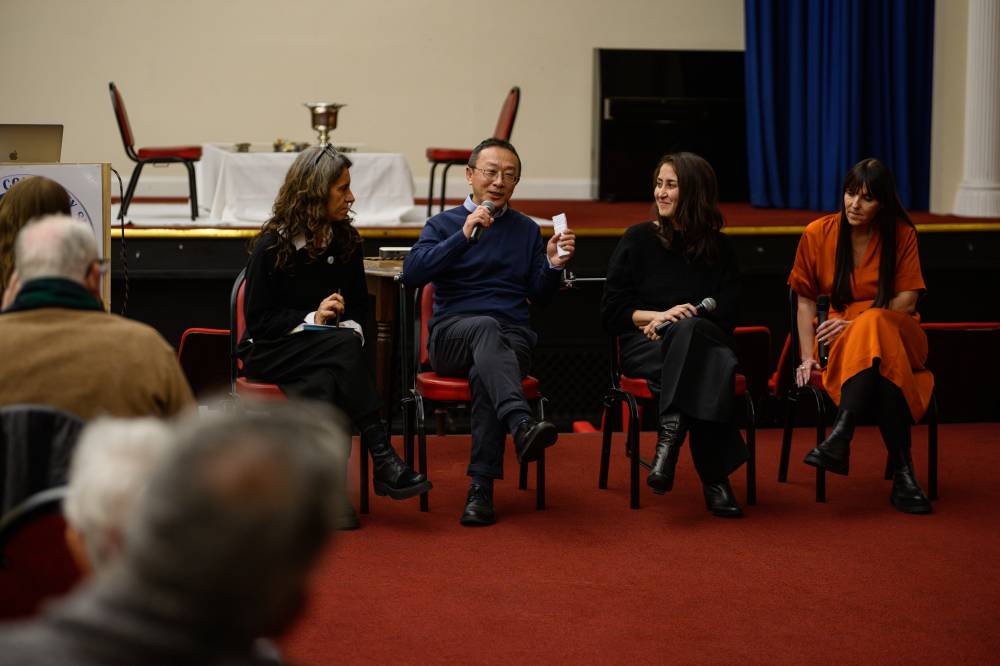
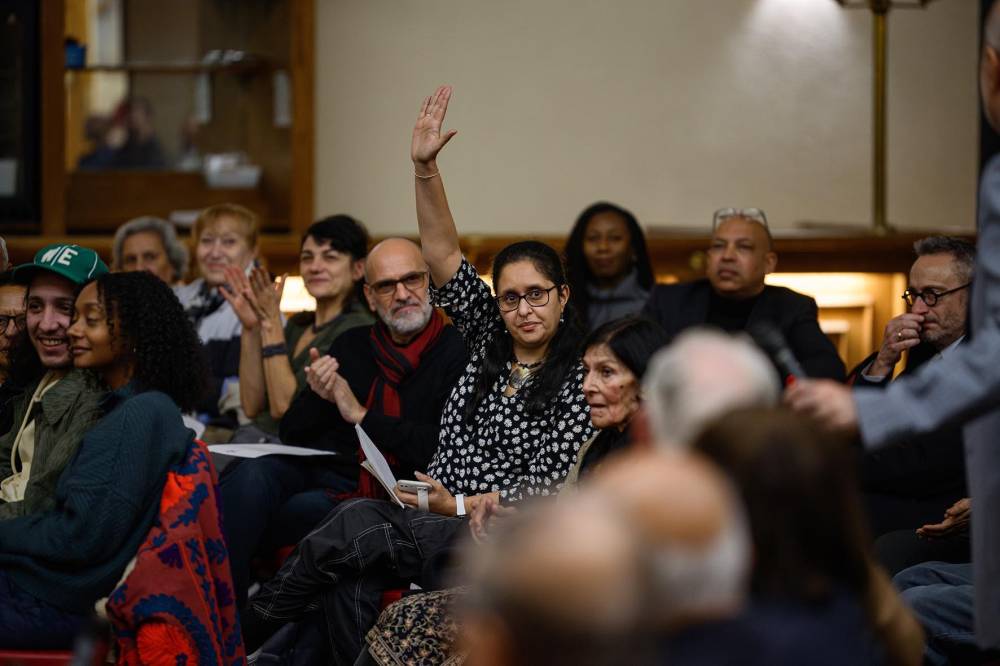
| Description | 'Moving Pictures' examines how diaspora faith communities repurpose and adapt former cinemas for worship. These transformed spaces are not just places of faith but evolving cultural heritage sites, reflecting the lived experiences and histories of the people who inhabit them. Honouring this dynamism, the project seeks to develop collaborative practices that authentically represent the community’s presence, social spatial agency, and living heritage. The residency at the Zoroastrian Centre for Europe, the former Grosvenor Cinema in Rayners Lane, lasted two years (2022-24). A number of community gatherings and workshops were held to explore and reflect upon how best to represent their lived, dynamic practices in relation to the architecture of the former cinema. In close collaboration with the congregation and resident priest, a well-defined framework for filming the Jashan and Boi ceremonies was established, in accordance with the site's customs, utilising the artistic research methodology “site-integrity”. This approach presents ‘place’ as dualistically experienced and represented, as the materiality of site is captured through the projected image, viewed as a “performative” rather than a “representational” tool (Marsh, 2022). The resulting site-specific films explore the creative agency of the Zoroastrian community, shifting the focus away from representational thinking to the lived practices of communities and how people inhabit and embody spaces. As a result, a series of bespoke filming devices were constructed that captured the religious and social practices from the perspective of the congregation. These films were then projected back into the site, enabling an exact transfer of scale and time as the image mapped the architectural site. Technically, the context of this research lies in the origins of early cinema, with reference to the Lumière Brothers' Cinématographe (a three-in-one device that could record, develop, and project). Through this fieldwork, site-integrity encouraged the generation of grassroots perspectives and insights by actively involving the faith community in the creative process. Moving Pictures film performance & Workshop - 17th November 2024: Following the screening and lunch, we organised an afternoon roundtable where Historic England representatives Diana Evans (Head of Places of Worship), Caroline Kendall (Senior Listings Policy Advisor) and Dr David Hampshire (Senior Policy Adviser – Places of Worship) opened discussion with community representatives. Community perspectives on national heritage policy and the lived realities of managing listed faith buildings grounded the conversation in both current practice and future potential. The workshop explored the challenges and opportunities of adapting listed buildings for worship, navigating planning and heritage legislation, increasing public access to repurposed religious buildings, and the role of storytelling and documentation in safeguarding intangible cultural heritage. The event also strengthened relationships between participating communities and heritage stakeholders, supporting the continued development of the Moving Pictures Network. This work subsequently contributed to the network's submission to the UK Living Heritage Inventory and to Historic England's recognition that former secular buildings adapted for worship are eligible for support through the £92 million Places of Worship Renewal Fund: https://historicengland.org.uk/advice/grants/what-we-fund/places-of-... Moving Pictures as part of London Migration Film Festival: As an extension of the project, I collaborated with local resident Robert Douglas Law, whose personal archive documented the changing use of the former Grosvenor Cinema. Drawing on photographs, memories and oral histories accumulated over many decades, a short documentary film, The History of the Zoroastrian Centre for Europe, was produced https://vimeo.com/1069794333. The film not only records the building's architectural and social history but also reflects on what this transition has meant for local residents and the Zoroastrian community, revealing how adaptive reuse can generate new forms of belonging, continuity, and cultural identity while preserving connections to a shared civic past. The wider research project 'Moving Pictures: Reusing Cinemas as Places of Worship in the Diaspora’ is co-led by architectural historian Kate Jordan and funded by the RIBA www.moving-pictures.info |
| Keywords | social spatial agency |
| collaboration | |
| site-specific | |
| diaspora faith communities | |
| relational filmmaking | |
| Year | 26 Nov 2024 |
| 26 Nov 2024 | |
| Files | Image credit David Monteith-Hodge Media type Image File Access Level Open (open metadata and files) |
| Files | Image credit Jonny Fuller-Rowell Media type Video File Access Level Open (open metadata and files) |
| Project | Moving Pictures - Residency and Expanded Film Events |
| Funder | RIBA |